


How to Select the Best MBBS College: Complete Student Checklist
Choosing the right college is the first step to securing your future as a doctor. However, you shouldn’t dive in unprepared. Here is a checklist so you know exactly what’s in store.
Recognition and LegitimacyThe college must be legitimate, recognized by the National Medical Commission (NMC), and listed in the World Directory of Medical Schools (WDOMS). It should also be a well-recognized brand; this gives you an idea of the honor and legacy it carries. In simple words, it should be a big deal. Clinical ExposureEducation is just theory without practical application. The best colleges provide ample opportunities for students to practice what they learn. Your college must have an attached teaching hospital with a high patient inflow for real-life case exposure. Internship opportunities must also be hands-on. |  |
 | Academics and Teaching QualityThe college must have experienced faculty with advanced degrees like MD and MS. It should feature high-quality modern labs, simulation centers, and access to cadavers. It is also highly recommended to check the college's track record in FMGE/NExT results (especially for colleges abroad). |
Costing and BudgetingCalculating costs is vital. In India, government colleges cost around ₹5L–₹15L total, while private colleges often range from ₹50L to over ₹1Cr. If you are planning to go abroad, the total cost is usually lower than Indian private colleges, typically ranging from ₹25L to ₹50L total, covering tuition, hostel, and food. Always factor in costs for the full 5–6 years of study. | 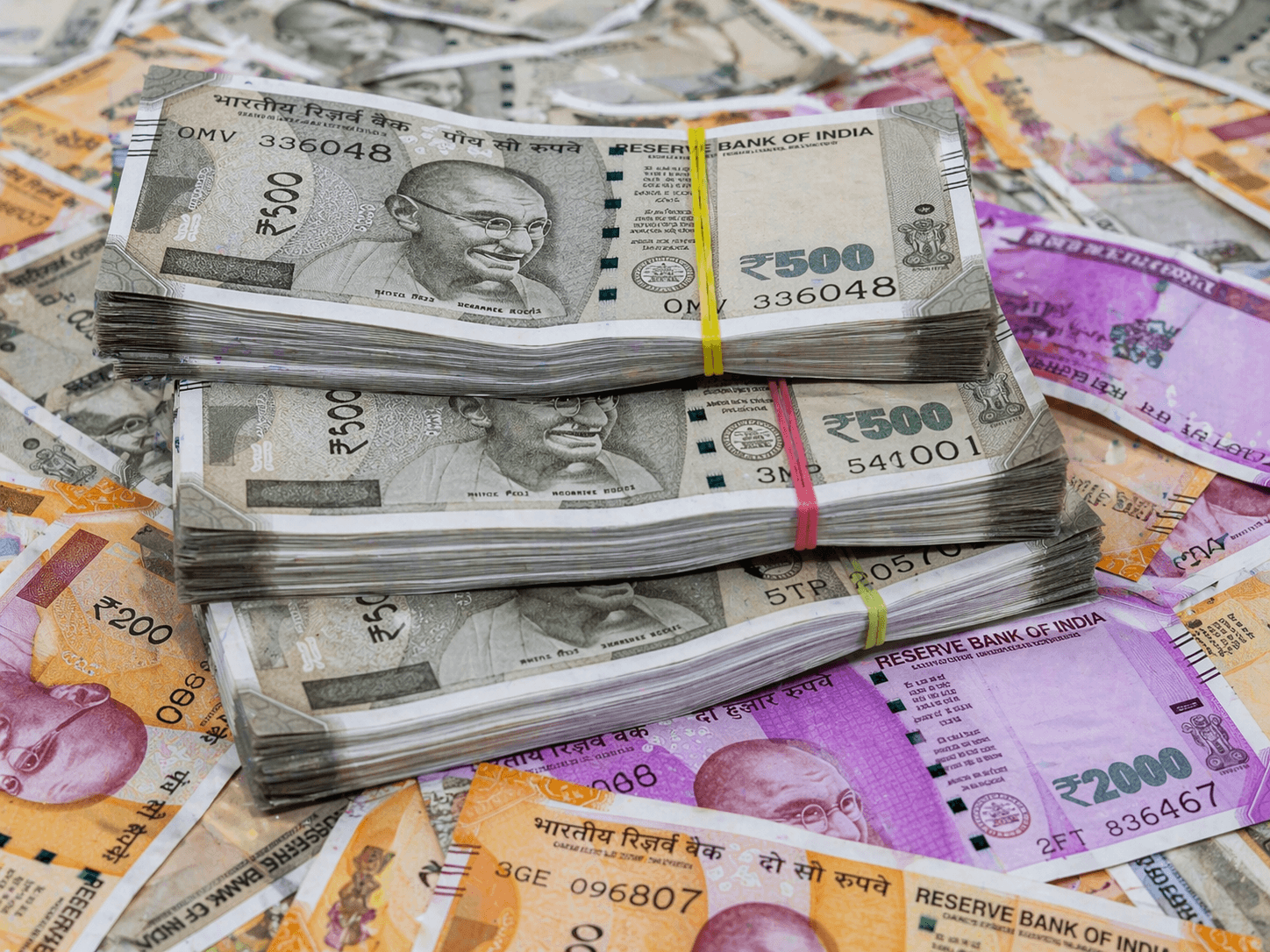 |
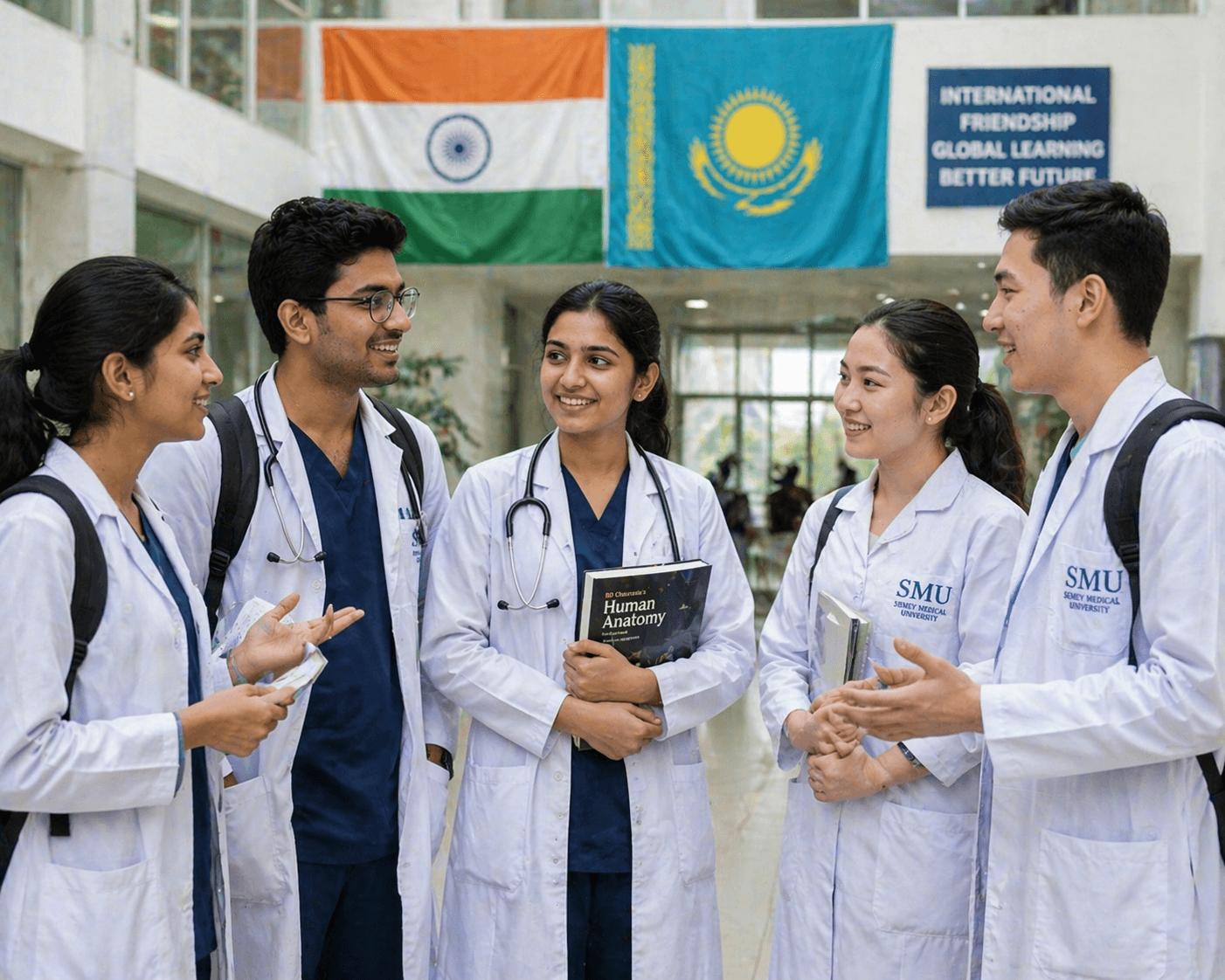 | Country Factors (For Students Going Abroad)Research the safety, crime rates, and political stability of the destination. Take note of the climate and potential language barriers. While many colleges abroad offer English-medium courses, it is highly recommended to learn the local language to interact with patients. |
NMC Compliance
Ensuring compliance with NMC guidelines is the most crucial factor for studying abroad. The program must have a minimum duration of 54 months plus a mandatory 12-month internship at the same institution. The entire course must be taught in English. Avoid colleges offering shortened courses or hybrid modes, as non-compliance will make you ineligible to practice in India.
Infrastructure and FacilitiesEnsure the college has quality hospital equipment, labs, libraries, and hostels, as this is where you will spend most of your time. The quality of the mess or canteen is also important for your long-term health. Don't forget to verify the safety of the campus. Results and OutcomesResearch the internship placements and the success of the alumni. Specifically, check the FMGE/NExT passing rate of previous students. This reflects both the educational quality and the networking capability of the college. Location AdvantageOften overlooked, location matters because your time is precious. Check the modes of transport and see if the commute is realistically feasible for you. This applies whether you are studying in India or abroad. | 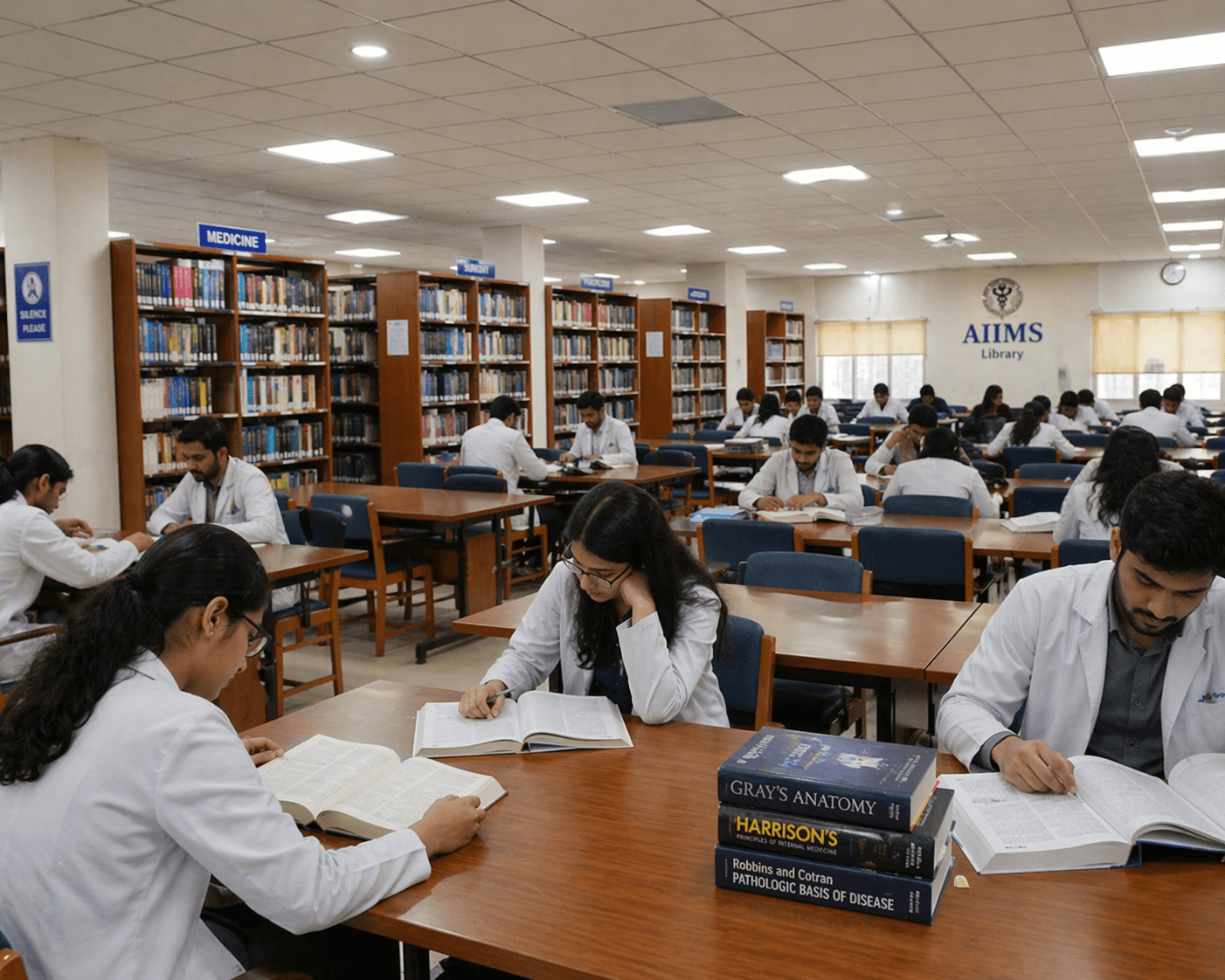 |
Admission Transparency
An ethical admission process is essential. Ensure all procedures are clearly explained with no hidden charges. Admission should be backed by an official offer letter directly from the university. Be cautious of agents who promise "guaranteed admission" regardless of eligibility or push for rushed decisions.
Internship and LicensingVerify where the internship will be conducted and if it is recognized by the NMC. Your degree should make you eligible for key licensing exams like NExT in India, or international exams like the USMLE (USA) and PLAB (UK). A valid pathway ensures your education translates into a real career. Personal Fit (For Students Moving Abroad)Ask yourself: 1. Will I be able to cope in a new, unfamiliar country? If you are hesitant about even a single question, contact Map My MBBS to clarify your doubts. |  |