


Top 10 MBBS Abroad Mistakes — Explained in Detail
Deciding to study medicine abroad is a massive leap of faith and a significant investment in your future. While the prospect of an international degree is exciting, the journey is paved with complexities. To help you navigate this path successfully, we have compiled the most critical pitfalls to avoid and the essential steps to take before you fly.
Choosing a University Just Because It Is CheapLow fees often mean weak faculty, poor labs, or low clinical exposure. Instead, it is advisable that you compare the total value. Research about the teaching quality, hospital tie-ups, and pass rates. Look up the college on the internet for student reviews. Not Checking NMC EligibilityThis is risky because if you don’t check NMC eligibility, you will not be able to practice medicine in India. Verify the duration of the course; it must be at least 54 months of study plus a 12-month internship. Check the medium of teaching as well - it must be in English. |  |
Trusting Agents Blindly
Some agents push for colleges giving them higher commissions, rather than looking for better outcomes for the students. Instead, cross-verify everything with the university website or via email. Also, speak to current students and ask them for their reviews.
Not Verifying on Global Listings
Degrees from unlisted schools can create licensing issues both abroad and in India. Check if the name of the college is present in the World Directory of Medical Schools (WDOMS).
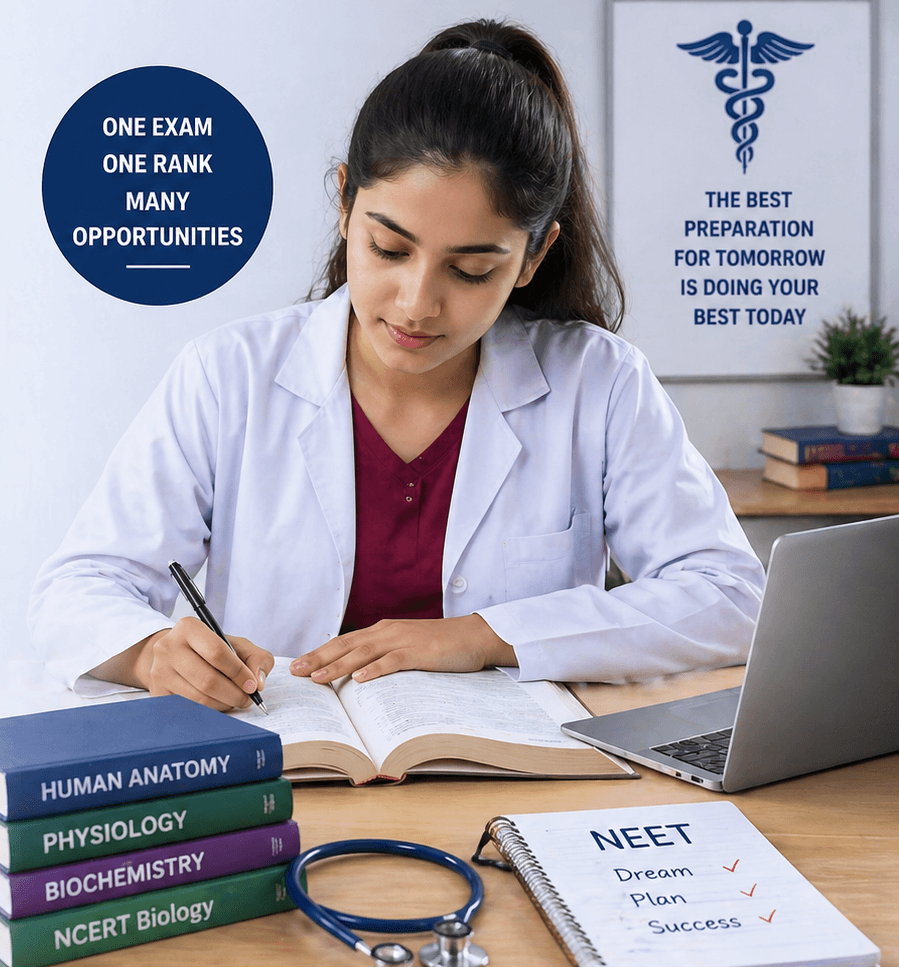 | Falling For “No NEET Required” ClaimsNEET qualification is a mandatory requirement for Indian students to be eligible to practice medicine back home. Ensure that you have taken the exam and have met the required criteria before seeking admission. Not Checking Clinical ExposureIn your medical journey, it is crucial to get enough clinical exposure. Limited patient interaction will automatically mean weak practical skills. Instead, confirm if the college has an attached hospital, sufficient bed strength, good clerkship opportunities in the final year, and a solid OPD/IPD load. Ignoring Language BarriersOften overlooked, language is key to interacting with patients during rotations, especially in a foreign country. Check if the college conducts local language courses and be open to learning at least the basics. |
Underestimating Total CostPlanning a budget is a meticulous task. However, if not done well, it can shock you mid-course. To avoid this, calculate all the primary and hidden costs properly - hostel, tuition, mess, insurance, travel, and visa fees. Choosing New/Unknown CollegesRenowned colleges are accredited, unlike many newer ones. If a college doesn’t have a track record, it may have uncertain teaching quality and recognition issues. It is advised to prefer established colleges, preferably those with Indian alumni so you know what is in store. |  |
No Backup PlanMany students focus only on securing admission and fail to plan for uncertainties such as difficulty in clearing licensing exams like FMGE or NExT, financial challenges, or a change in career direction. Without a backup plan, they may feel stuck when problems arise. Having alternative options ensures flexibility and reduces long-term stress. |  |
The road to becoming a doctor is never easy, and studying abroad adds its own unique set of challenges. However, by staying informed and choosing a college that prioritizes clinical quality and legal compliance, you can turn those challenges into a world-class education. If you’re still feeling unsure about your next move, reach out to Map My MBBS, we’re here to help you make the right choice with confidence.